Bedrock Oregon
A community for men.
bed·rock /ˈbed-räk/ noun
- 1The solid rock beneath the loose ground. The layer everything above it rests on.
- 2The foundation; the principles a life is built on.
As men working together, we create stable ground for growth, deep in the earth.
Brotherhood, retreats, and ceremony in Central Oregon.
Four doorways · Ten minutes to find yours
Who this is for
You got the insight. You did the workshop. And two weeks after the retreat, you're right back where you started.
What was missing was not effort. It was ground. We are here to create and hold community as that ground, stable the way bedrock is stable. There are many offerings here and many ways to connect. But the thing that matters most is our ability to be in community in a stable way. We are here to be bedrock for each other.
Inside is a different report. Some flatness you can't argue with. A distance from your partner that neither of you names. Anger that arrives at the wrong size for what caused it. The private suspicion that you are performing a life rather than living in one. And the memory of those few days when you weren't.
A lot of men who find this have already done therapy. Some are still in it, and it helped. They can explain themselves fluently. Insight isn't the missing piece. What's missing is other men, a practice that survives contact with a Tuesday, and anyone who has ever actually initiated you into anything.
This is where the practice starts.
Ways in
Four doorways.
They're not a ladder and they don't have to be taken in order. Most men start with one and add another when they're ready — or never, because the first one was the right size.
Community
Inner Circle
The Bedrock community — an online brotherhood of about seventy men. Gatherings, practices, and a place to say the true thing on a Tuesday.
What it is
In person
Retreats & Ceremonies
Surfing the Self — four days on the Oregon Coast — and other gatherings on land. Fire, ceremony, and a few days away from the machinery.
Upcoming gatherings
Ongoing cohort
Embodying Presence
An ongoing cohort led by Ryan McGladrey. Specific practices that help you deepen into a more aware, grounded, and fulfilled man.
See the practice
Ketamine therapy
ClinicalThe Intensive
Group ketamine-assisted psychotherapy for men — cohorts of eight to ten, in Sisters, Oregon. Medically screened, clinically staffed.
See the intensive
The community
The Inner Circle.
Bedrock's community is a private online circle of about seventy men — connection circles, workshops in the IFS frame, guided practices, and men writing about what's actually happening between the big events.
It's also where everything on land begins: the retreats are organized inside the circle, and the men going are in there talking about it right now.
On the calendar
Surfing the Self
October 8–11 · Pacific City
Eight-Week Cohort
Meets weekly · starting October
Embodying Presence intro talk
Friday, November 20
Embodying Presence workshop
Saturday, November 21
Who we are
The men holding it.
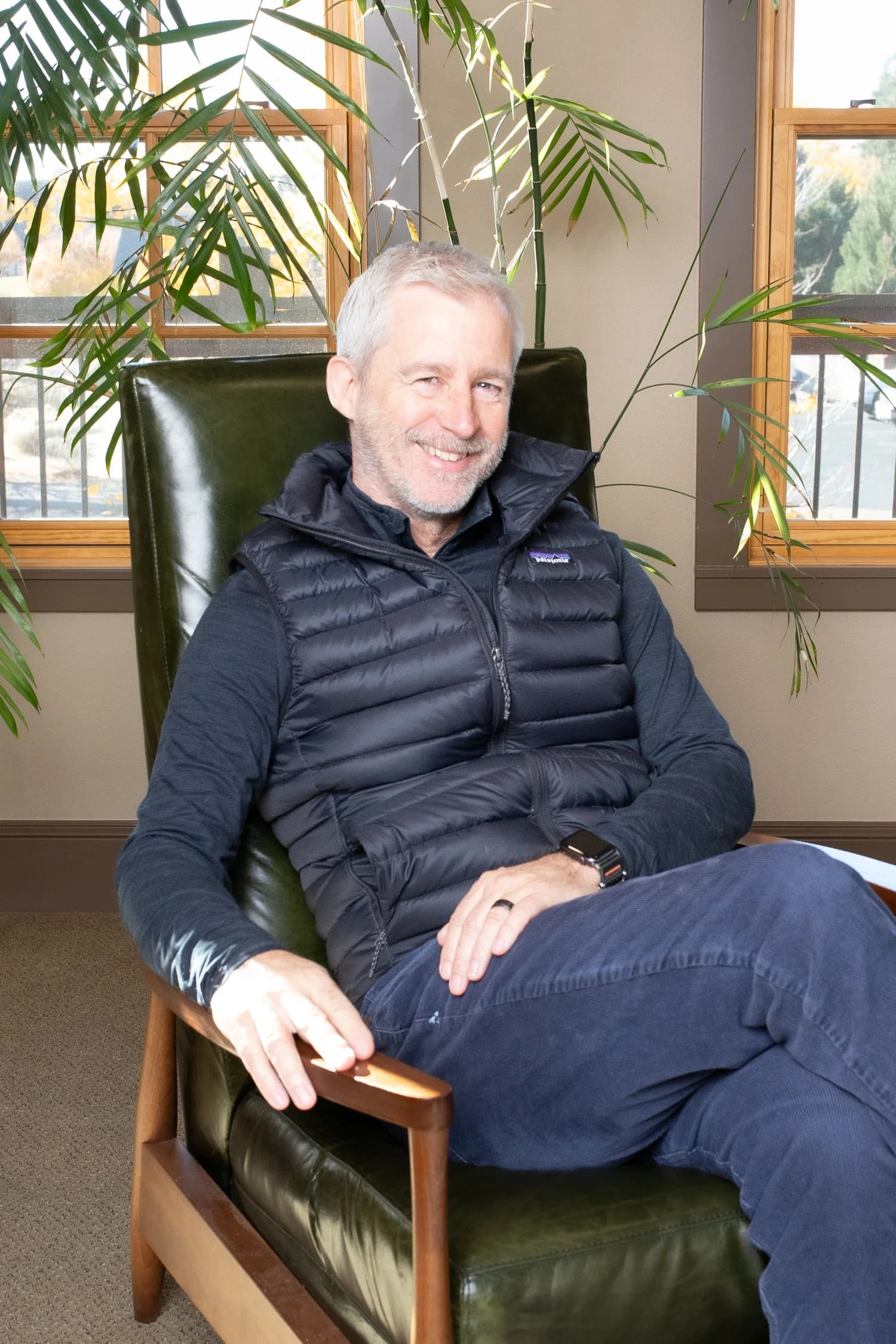
Tim Moore, LPC
Executive Director & Lead Facilitator
Licensed Professional Counselor in Sisters, Oregon, 28 years in practice. Trained in Internal Family Systems, somatic therapy, and interpersonal neurobiology. Before all of it, trained in wilderness education and Outward Bound.
He's spent most of those years with men who looked fine and weren't. Not a coach and not a guru. A clinician, and an elder still in training himself.
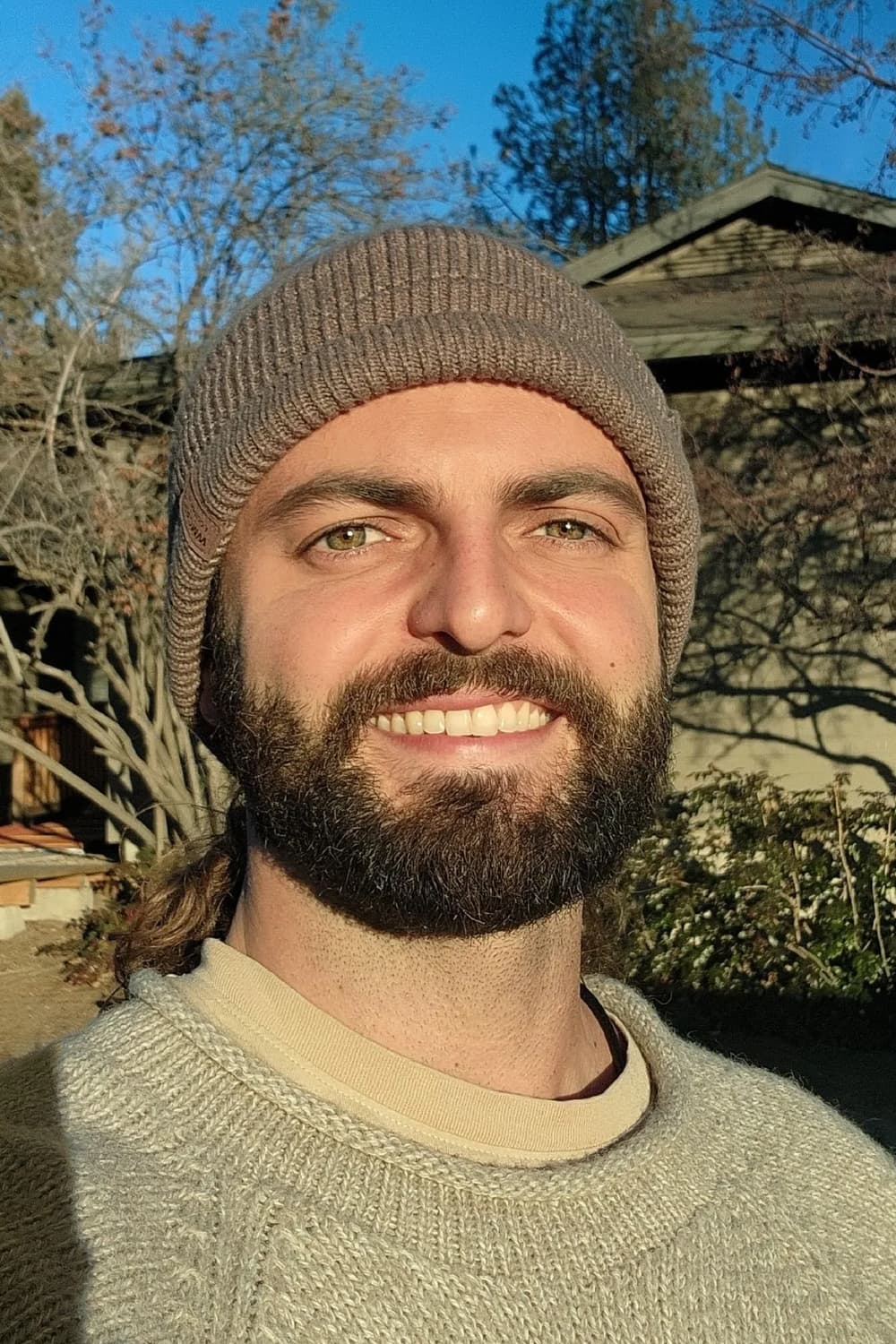
Lucas Carvalho
Program Director
Trilingual in English, Portuguese, and Spanish. Musician and student of indigenous traditions. He brings ancestral wisdom and practical tools to the circle, rooted in nature's guidance and community.
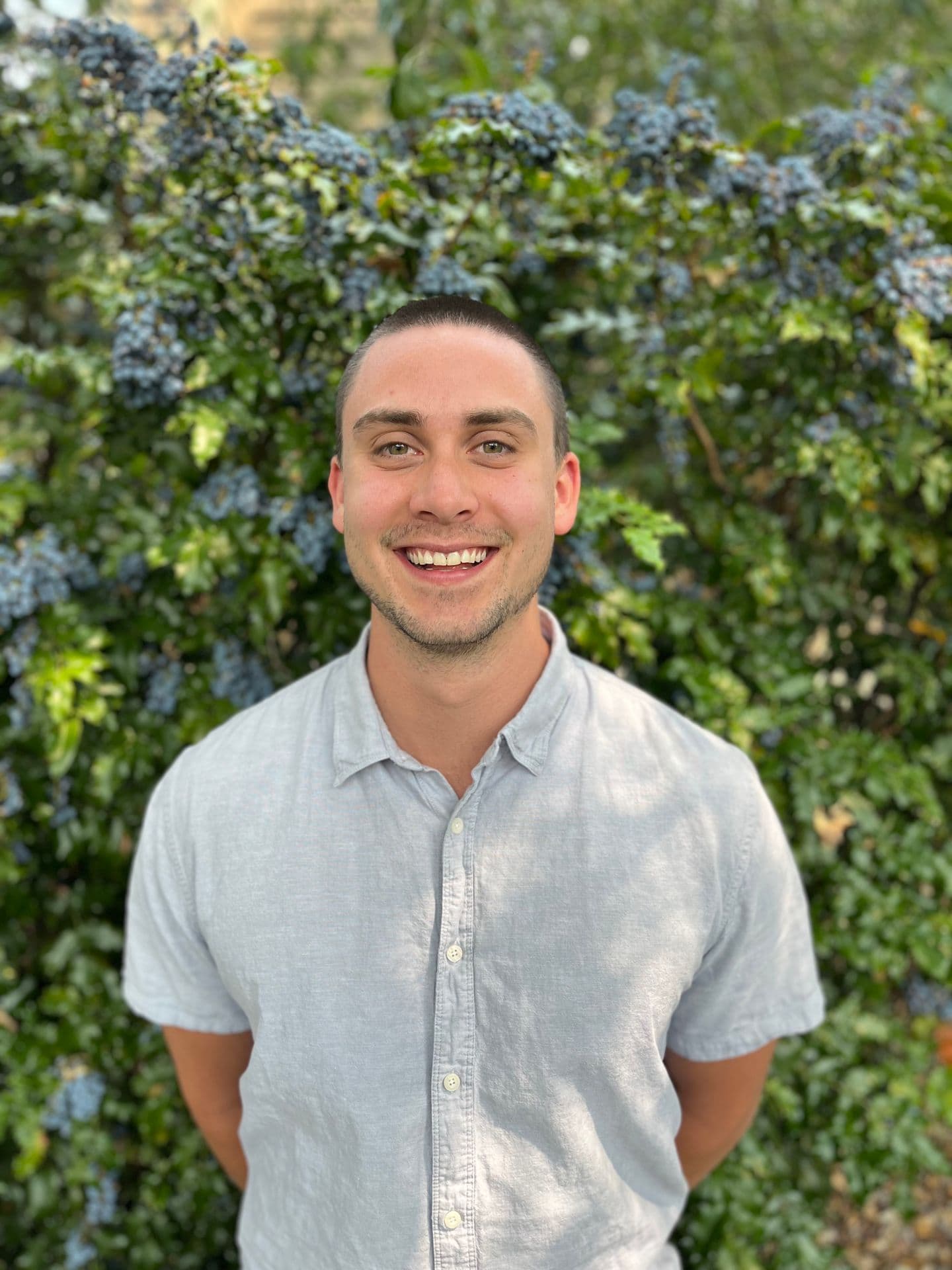
Erik Flaten
Co-Facilitator
Years of walking with men and families through hard passages, including addiction and recovery. He works with curiosity and collaboration, carries a steady mindfulness practice, and views nature as a co-facilitator in the healing process.
Why now
Our grandchildren are going to ask.
We're living in a time when we will be asked important questions. What did you do when you knew the climate was becoming uninhabitable for humans? A man wants to be able to answer that question and feel good about the answer he gives.
And in a time of increasing polarization and isolation, it is incredibly important to come together as men — to support each other in the unique way we can in our circles.
That's what this work is for: moving from a place of fear to a place where we can be of use — to our fellow brothers, our families, and our societies and cultures.
Not ready to walk through any of them.
Fair. Take the letters instead. A few paragraphs at a time, when there's something worth saying. No sequence, no funnel.